Celebrating the Season: A Look at December’s Many Cultural and Spiritual Traditions
The month of December is often thought of as a month filled with celebration—and that’s true in more ways than many people realize. Across the world, communities observe a wide variety of cultural, spiritual, and religious holidays during this time of year. |
|
 |
|
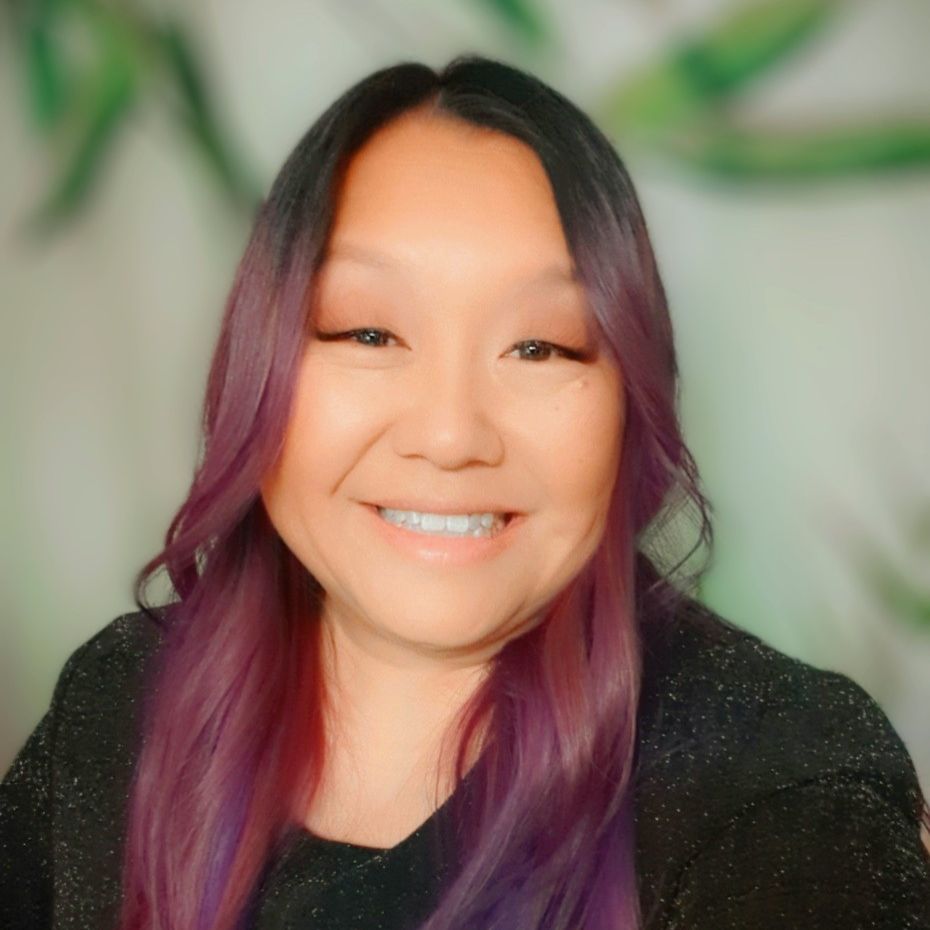
Nicole Freeman
Guest Author, LGSW |
|
|
|
While some traditions, such as Christmas and Hanukkah, may be widely familiar, many other meaningful celebrations also take place throughout the month. From festivals honoring light, renewal, and community to celebrations centering on reflection, storytelling, and cultural identity.
December offers a rich tapestry of practices that remind us of the many ways people find meaning and connection. In child welfare work—where cultural responsiveness and humility are essential—these diverse observances offer valuable insights into the traditions and values that shape a family life in Minnesota.
Below are a few December holidays that may be less widely known, yet are deeply significant within the communities that celebrate them:
|
1. Hmong Heritage Month
In 2024,Governor Tim Walz proclaimed Hmong Heritage Month from November 29 to December 29, 2025 throughout the state of Minnesota. This was done to coincide with the Hmong New Year, which typically occurs between late November and early January each year. There are numerous celebrations and events scheduled throughout the Twin Cities to recognize the holiday and proclamation.
2. Bodhi Day (Buddhist) – December 8
Bodhi Day commemorates the day Siddhartha Gautama attained enlightenment and became the Buddha. Observances vary, but many Buddhists spend the day in meditation, studying the Dharma (teachings), performing acts of kindness, or decorating a Bodhi tree with lights—symbolizing wisdom and awakening.
3. Ōmisoka (Japan) – December 31
Ōmisoka marks the final day of the Japanese calendar year and is one of Japan’s most important traditional holidays. Families engage in thorough house cleaning (ōsōji) to prepare for a fresh start, enjoy a special meal together, and often eat toshikoshi soba, a long-noodle dish symbolizing longevity and resilience. Many people visit a shrine or temple after midnight to welcome the new year with intention and gratitude.
4. Dongzhi Festival (East Asian cultures) – Date varies; typically December 21 or 22
Celebrated in China and other East Asian regions, Dongzhi marks the winter solstice and the return of longer daylight. Families gather to enjoy special seasonal foods—such as tangyuan (sweet rice dumplings) in southern China or dumplings in northern China. The holiday symbolizes harmony, family unity, and the balance of light and dark.
Honoring the Richness of December Traditions
These are just a few examples of the many holidays celebrated in December. Other observances around the world include Yule, Las Posadas, Soyal, Kwanzaa, Pancha Ganapati, and more. Each tradition offers its own story, values, and practices—and each invites us to broaden our understanding of how people experience community, faith, culture, and joy.
As we move through this season, may we continue to honor the diversity of the families and communities we serve, recognizing that celebrations can look beautifully different from one home to the next.
|
|
|
|
Resources |
|
Go to Main Menu |
Resource List: Learning About December Holidays Around the World
General Multicultural Holiday Resources
-
Smithsonian Folklife & Cultural Heritage – Seasonal Traditions
Offers articles, stories, and cultural context about winter holidays and global traditions.
-
BBC Religions – Festivals and Events
Provides concise descriptions of major and lesser-known religious holidays across faiths.
Holiday-Specific Learning Resources
Bodhi Day (Buddhist)
-
Plum Village – Buddhism for Beginners
Accessible teachings about the Buddha’s enlightenment and the significance of meditation.
-
The Buddhist Society
Articles and recorded talks about Bodhi Day and related Dharma practices.
Ōmisoka (Japan)
-
Japan Foundation – Virtual Culture Center
Articles, videos, and cultural explanations of Ōmisoka and other Japanese traditions.
-
Nippon.com – Japanese Holidays and Seasonal Customs
Offers historical and cultural context for end-of-year observances.
Dongzhi Festival (East Asian Cultures)
The Chinese Culture Center
Cultural descriptions, recipes, and historical information about Dongzhi.
Additional December Holidays and Related Resources
Hanukkah (Jewish)
-
My Jewish Learning – Clear, family-friendly explanations, recipes, and history.
-
Jewish Women’s Archive – Articles exploring traditions and cultural meaning.
Christmas (Christian, global variations)
-
Library of Congress – Holiday Traditions
Features global practices, historical origins, and regional differences.
-
World Council of Churches – Spiritual reflections and cultural insights.
Yule/Winter Solstice (Pagan, Wiccan, earth-based traditions)
-
The Order of Bards, Ovates & Druids – Seasonal rituals and symbolic meanings.
-
Learn Religions – Pagan Yuletide Traditions – Background, symbols, and practices.
Kwanzaa (African American cultural holiday)
-
Official Kwanzaa Website (Dr. Maulana Karenga) – Principles, history, and celebrations.
-
National Museum of African American History & Culture – Videos and educational materials.
Las Posadas (Mexico & Latin America)
-
Mexican Cultural Institute – Folklore, music, and community traditions.
-
Smithsonian Latino Center – Holiday history and cultural significance.
Pancha Ganapati (Hindu)
Soyal (Hopi and Pueblo peoples)
First Nations Development Institute – Resources for learning about Native ceremonies respectfully.
Culturally Responsive Practice Resources
These resources support the broader lens of cultural humility and respectful engagement with diverse family traditions:
-
Child Welfare Information Gateway – Cultural Competence Resources
-
National Child Welfare Workforce Institute (NCWWI) – Equity & Cultural Humility Tools
-
Casey Family Programs – Culturally Responsive Practice Guides
-
Harvard Project Implicit – Cultural Self-Reflection Tools
CPSW Resources
|
|
|
|
|
|
Community Letter |
|
Go to Main Menu |
Ambiguous Loss, Grief, and the Holiday Season: Supporting Children and Families in Child Welfare
Guest author: Nicole Freeman, LGSW
The holiday season is often portrayed as a time of joy, tradition, and family connection. However, for many children and families involved in the child welfare system, this time of year can amplify feelings of grief, loss, and uncertainty. When a child is removed from their parent’s custody—even when necessary for safety—both children and caregivers experience a type of grief known as ambiguous loss.
Ambiguous loss, a concept introduced by Pauline Boss (1999, 2006), occurs when a person is physically absent but psychologically present, or vice versa. Unlike more concrete forms of loss, ambiguous loss lacks clarity, closure, and predictable rituals for coping. For parents whose children are placed in foster care, the child is physically absent but remains emotionally, legally, and psychologically present. For children, a parent may remain deeply loved and remembered, even when contact is limited or inconsistent. This lack of resolution creates a unique burden that complicates the coping process.
Research shows that ambiguous loss can lead to chronic grief, role confusion, and challenges in identity development for both children and adults (Boss, 2006; Lee & Whiting, 2007). Children may experience loyalty conflicts, worry about their parents’ well-being, or feel guilt about enjoying time in a new environment. Similarly, parents may experience profound distress, shame, or a sense of powerlessness as they navigate case plans and work toward reunification.
The holiday season often heightens these emotions. Traditions that once provided stability—shared meals, cultural practices, gift-giving, and extended family gatherings—can become painful reminders of separation. Even well-intended festivities in foster homes, residential programs, or school settings may intensify grief when they differ from a child’s usual traditions. Families whose cultural or religious celebrations are disrupted by separation may feel these losses especially deeply.
As professionals, we can play an important role in reducing this emotional burden. Trauma-informed and culturally responsive approaches recommend:
-
Acknowledging the grief and ambivalence families may feel during the holidays.
-
Supporting family time (visitation), when safe and appropriate, as a stabilizing and meaningful ritual.
-
Honoring cultural traditions by inviting children and caregivers to share or maintain familiar practices.
-
Collaborating with caregivers to create holiday experiences that feel supportive—not dismissive—of a child’s family, culture, or history.
-
Normalizing emotional complexity, reminding children and parents that mixed feelings are valid and expected.
Ambiguous loss does not resolve quickly, but it can be eased by relational stability, predictable routines, and opportunities to stay connected whenever safe and possible. During a season centered on belonging and connection, recognizing the invisible layers of grief that children and families carry is a powerful way to support healing.
References
Boss, P. (1999). Ambiguous loss: Learning to live with unresolved grief. Harvard University Press.
Boss, P. (2006). Loss, trauma, and resilience: Therapeutic work with ambiguous loss. W. W. Norton.
Lee, M. Y., & Whiting, J. B. (2007). Foster children’s expressions of ambiguous loss. Family Relations, 56(1), 62–72. |
|
|
|
|
|
Feedback
The Minnesota Child Welfare Training Academy values feedback and input from our community partners. If you have ideas regarding future newsletter topics please use the link below to share your thoughts. We appreciate your input! |
| Share your feedback |
|
|
|
|
|
Update your info | Forward to a colleague | Unsubscribe
The inclusion of any third-party products, services, or information does not constitute endorsement by this organization.
Minnesota State Statute 260.69 under the Minnesota African American Family Preservation and Child Welfare Disproportionality Act requires cultural competency training for all individuals working with African American and disproportionately represented children in the child welfare system. The Minnesota Child Welfare Training Academy will be providing a monthly curated selection of resources and trainings that can be utilized to satisfy this training requirement while the statewide training is being developed.
Minnesota Child Welfare Training Academy (MNCWTA), 1711 County Road B West Suite 200N, Roseville, MN 55113, United States | The Minnesota Child Welfare Training Academy (MNCWTA) is a collaboration between the Child Safety and Permanency (CSP) Division at the Minnesota Department of Children, Youth, and Families (DCYF) and the Multidisciplinary Institute for Child Welfare (MICW) at the University of Minnesota Twin Cities.
|
|
|
|
|